

Dubai Relocation Guide
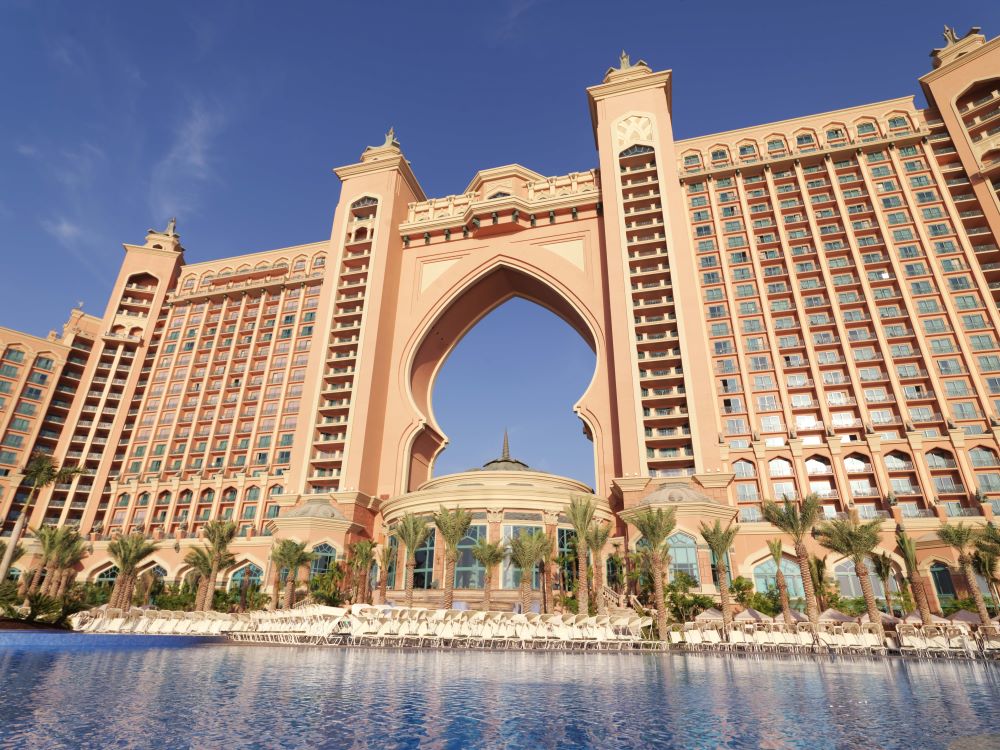
Dubai has emerged as one of the world’s most attractive destinations for expatriates, entrepreneurs, professionals, and families seeking a better quality of life. With its tax-friendly environment, world-class infrastructure, multicultural society, and thriving business ecosystem, Dubai offers exceptional opportunities for those planning to relocate. Whether you are moving for employment, business, retirement, or lifestyle reasons, understanding the relocation process is essential for a smooth transition.
- Visas and Residency Requirements
The first step in relocating to Dubai is securing the appropriate visa. The UAE offers several residency options, including employment visas, investor visas, family sponsorship, and the Golden Visa. The Golden Visa provides eligible investors, entrepreneurs, skilled professionals, and other qualifying individuals with long-term residency, generally for five or ten years. Remote workers may also qualify for a virtual work residence permit. Visa eligibility, documentation, sponsorship requirements, and fees vary, so checking official UAE government guidelines before applying is advisable.
- Finding Accommodation in Dubai
Dubai offers diverse residential communities catering to different lifestyles and budgets. Popular areas include Dubai Marina, Downtown Dubai, Business Bay, Jumeirah Village Circle (JVC), Arabian Ranches, and Dubai Hills Estate. Apartments are particularly popular among young professionals, while villas and townhouses attract families. Rental costs vary significantly depending on location, property size, and amenities. Tenants should budget for security deposits, agency commissions where applicable, utility deposits, and Ejari registration. Researching commute times, schools, and nearby facilities before signing a tenancy contract can save considerable inconvenience.
- Understanding the Cost of Living
Dubai offers a high standard of living, but expenses can vary considerably. Housing generally represents the largest monthly expenditure, followed by education, transportation, groceries, and entertainment. Although the UAE does not impose personal income tax on salaries, residents pay VAT on many purchases and may encounter other government fees. Families should carefully evaluate school fees and healthcare insurance costs. Creating a realistic monthly budget before relocating helps prevent unexpected financial pressure.
- Employment and Business Opportunities
Dubai’s economy offers opportunities across technology, finance, tourism, real estate, logistics, healthcare, and professional services. International companies continue to establish regional headquarters in the city, attracting skilled professionals from around the world. Entrepreneurs can explore mainland and free zone company formation options. Free zones may offer streamlined registration processes and sector-specific benefits. However, business licensing requirements, permitted activities, and operating costs should be evaluated carefully before establishing a company.
- Healthcare and Medical Insurance
Dubai has an extensive healthcare network comprising government hospitals, private medical centres, and specialist clinics. Health insurance is mandatory for residents. Employers must provide coverage for their employees, while sponsors are responsible for arranging insurance for their dependents. Before relocating, compare insurance policies, hospital networks, and coverage limits to ensure adequate protection for your family.
- Education and International Schools
Families relocating with children will find numerous international schools offering British, American, Indian, International Baccalaureate, and other curricula. Popular educational communities include Dubai Hills, Jumeirah, Al Barsha, and Arabian Ranches. School fees vary significantly, and admission to highly sought-after institutions can be competitive. Parents should begin researching schools several months before their planned move.
- Transportation and Getting Around
Dubai offers modern transportation infrastructure, including the Dubai Metro, public buses, taxis, and ride-hailing services. Residents can use Nol cards for public transportation. Although public transport connects major commercial and residential districts, owning a vehicle can be convenient for families living farther from Metro stations. International driving licence conversion depends on the issuing country and applicable regulations.
- Banking, Utilities and Essential Services
Opening a bank account generally requires identification, residency documentation, and other bank-specific information. New residents should also arrange mobile connections, home internet, and electricity and water services through DEWA. Dubai’s Ejari system registers residential tenancy contracts. An enhanced DubaiNow service introduced in November 2026 also simplifies tenancy registration and utility activation.
- Lifestyle and Cultural Considerations
Dubai combines international living with traditional Emirati culture. Residents enjoy beaches, shopping malls, restaurants, entertainment venues, sporting facilities, and year-round activities. English is widely spoken, making everyday communication relatively straightforward. However, newcomers should respect local customs, dress expectations, public conduct regulations, and UAE laws.
- Final Relocation Checklist
Before moving, ensure that your passport, visa documentation, educational certificates, medical records, employment contracts, and important personal documents are properly prepared. Arrange temporary accommodation, research neighbourhoods, investigate schooling options, and maintain sufficient savings to cover initial relocation expenses.
Dubai offers far more than a new address. With careful planning, it can provide an exciting opportunity to advance your career, establish a business, raise a family, and enjoy an internationally connected lifestyle in one of the world’s most dynamic cities.
Contributed by https://www.guestposts.biz